




Estonian Road Museum
Museums and education, Audio info available, Accessible to parents with baby-strollers, Parking lot for handicaps, Partly accessible

Object list
The museum’s mission is to collect, preserve, research, and present Estonia’s road heritage as well as the history of road construction and traffic. The Road Museum, located on nearly ten hectares, holds more than 43,000 museum objects, including Eastern Europe’s largest collection of road graders.
Description
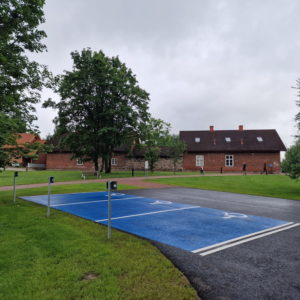
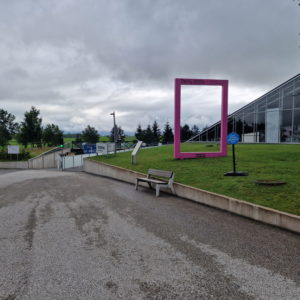
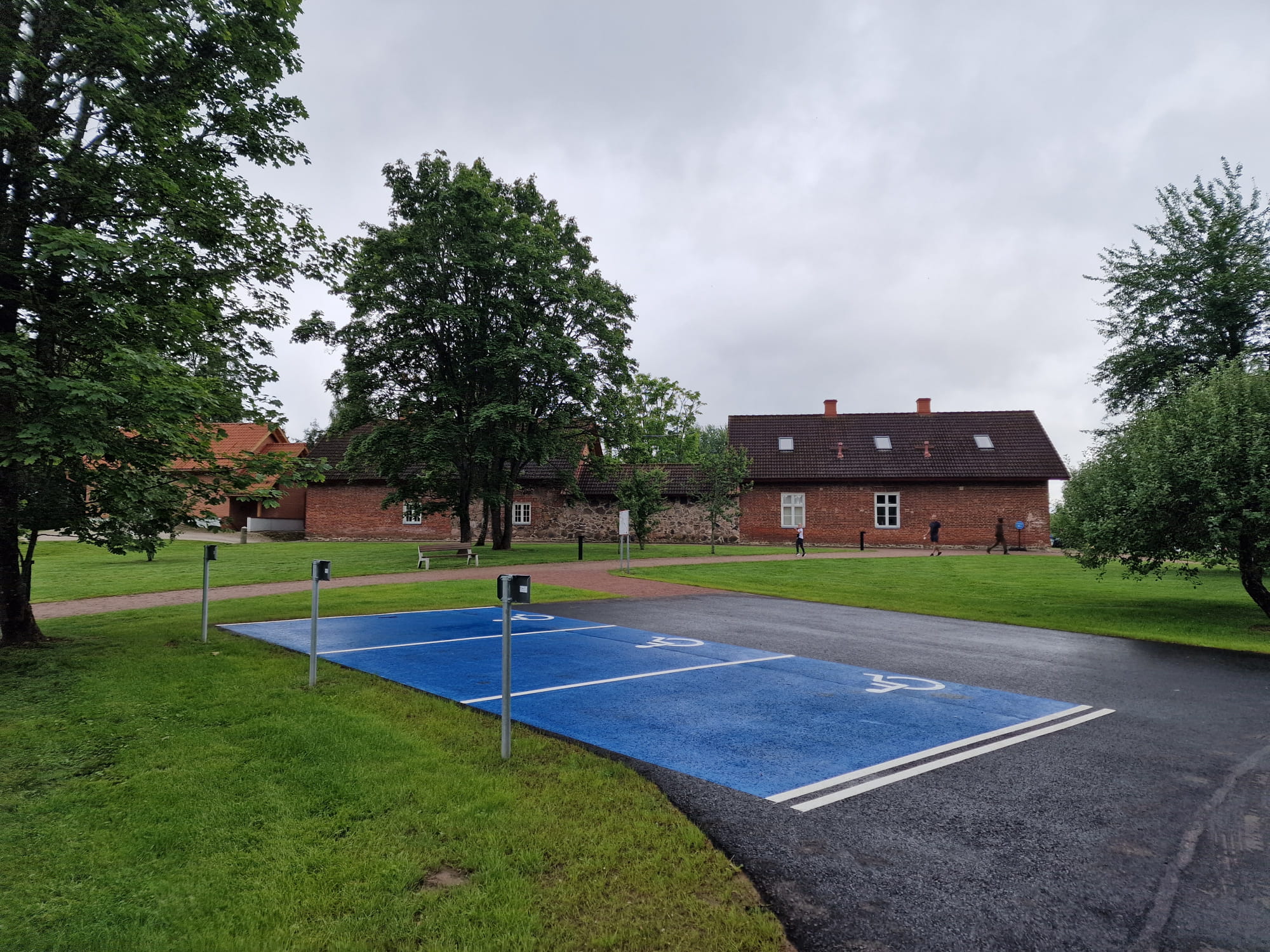
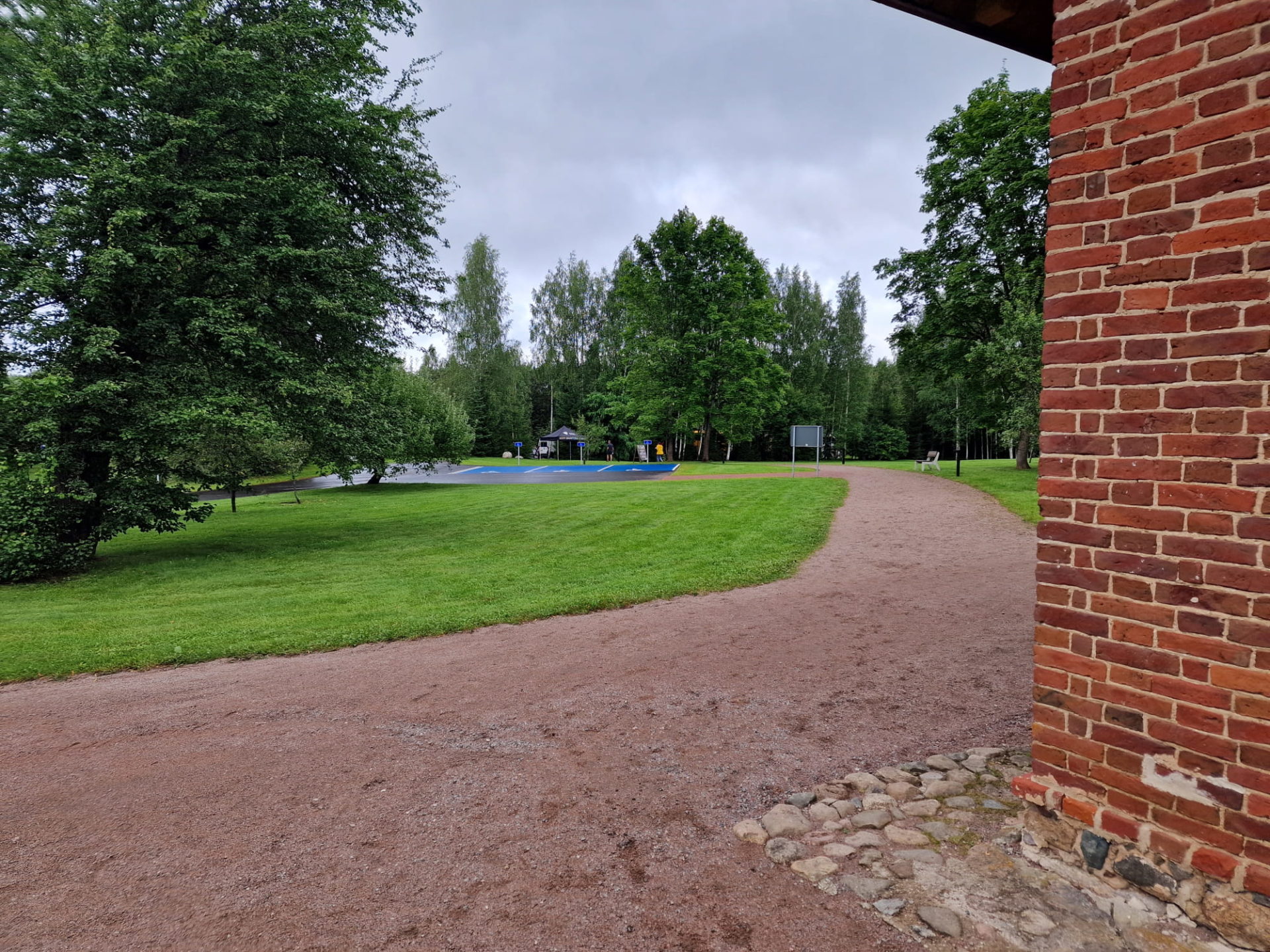
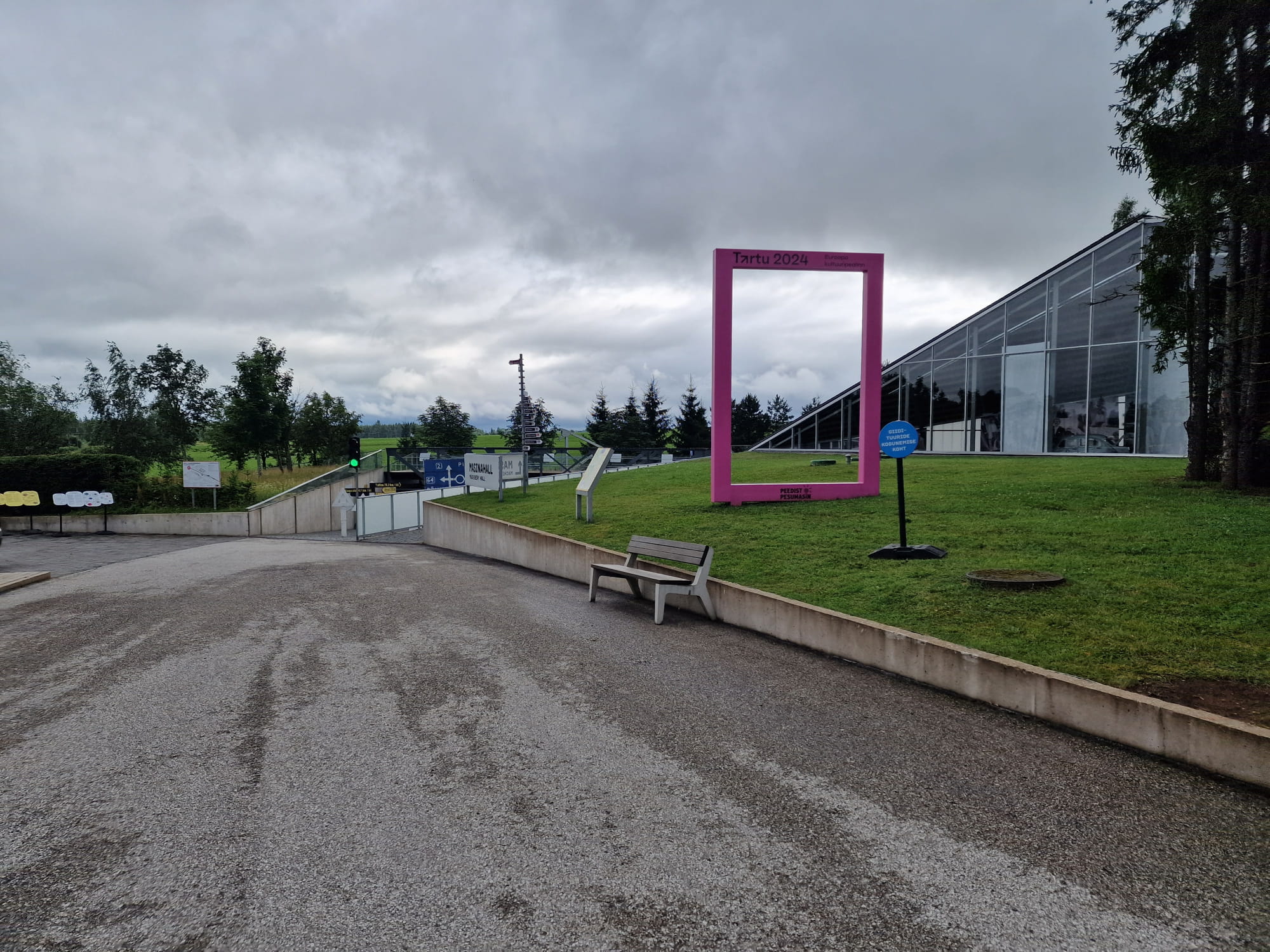
Designated parking spaces for people with disabilities are located in a remote general parking area (approx. 100 m away). The route to the museum is asphalt-paved but includes an uphill section, which may mean that an accompanying person is needed.
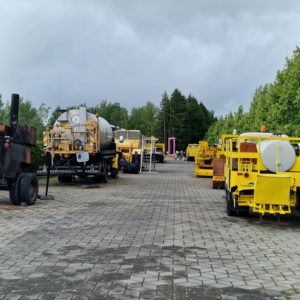
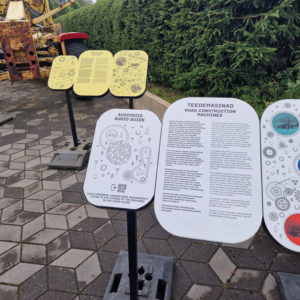
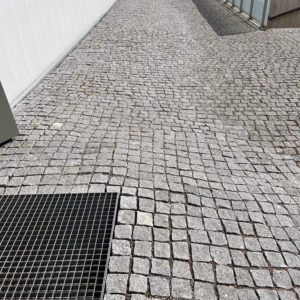
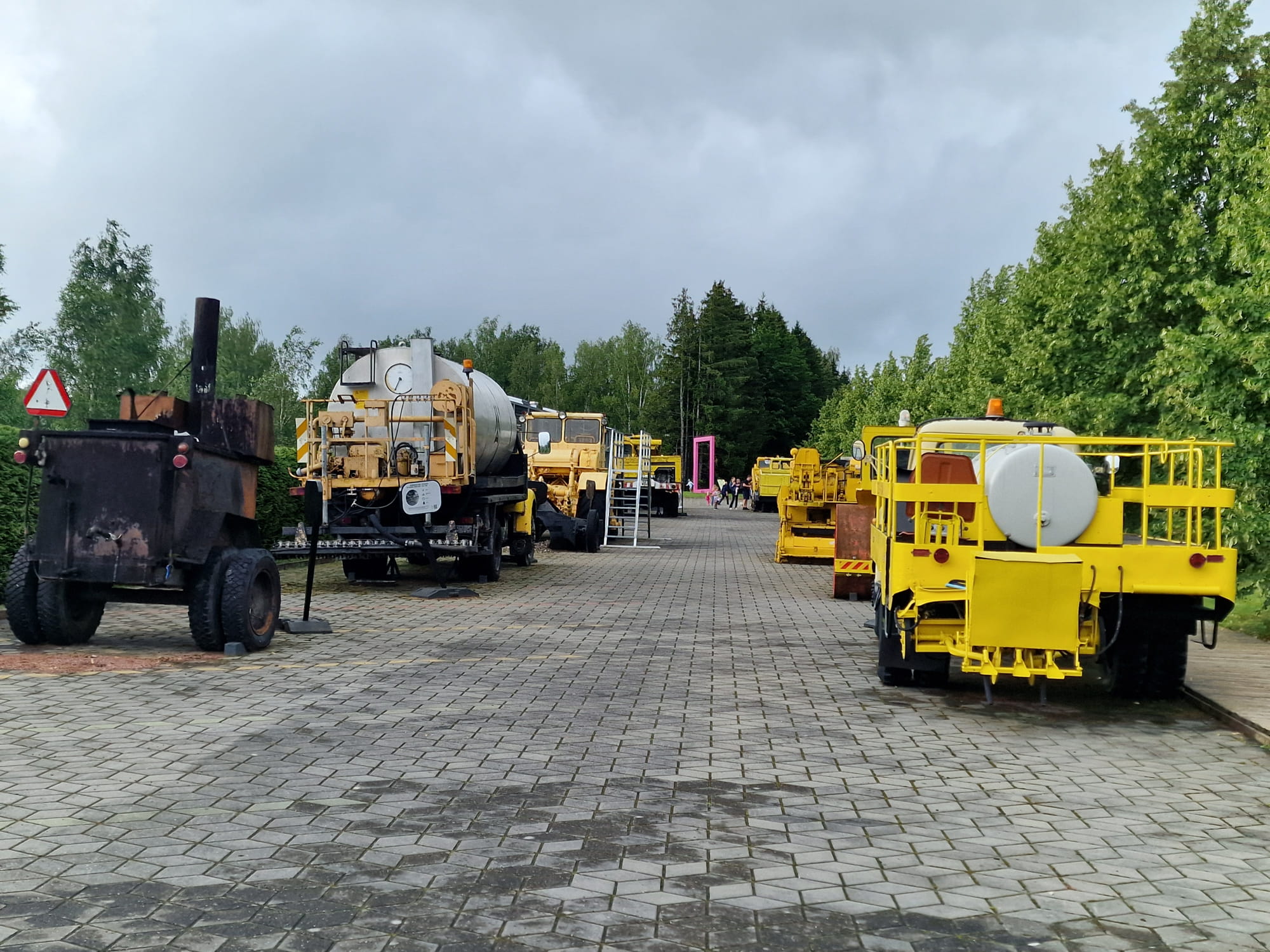
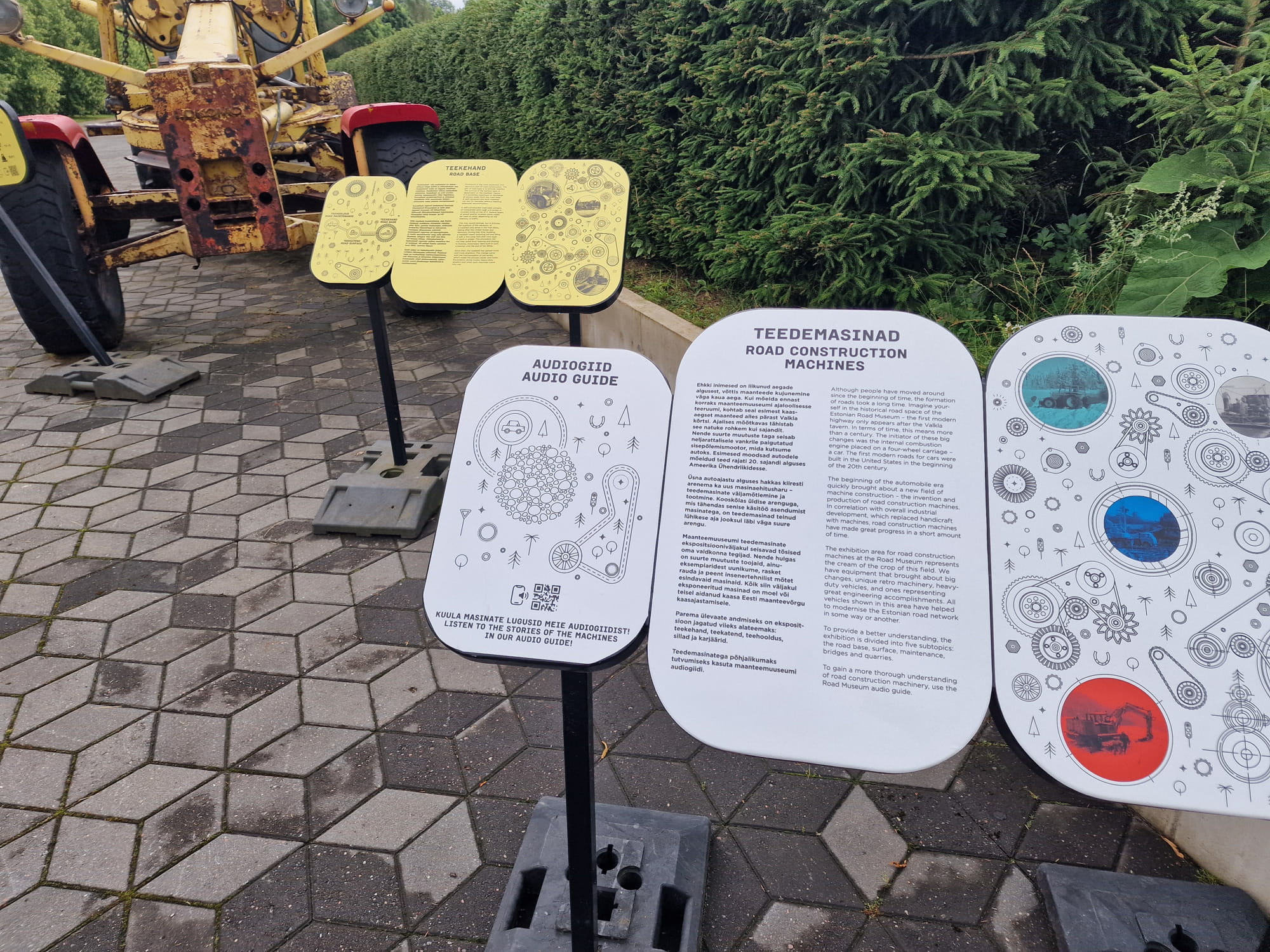
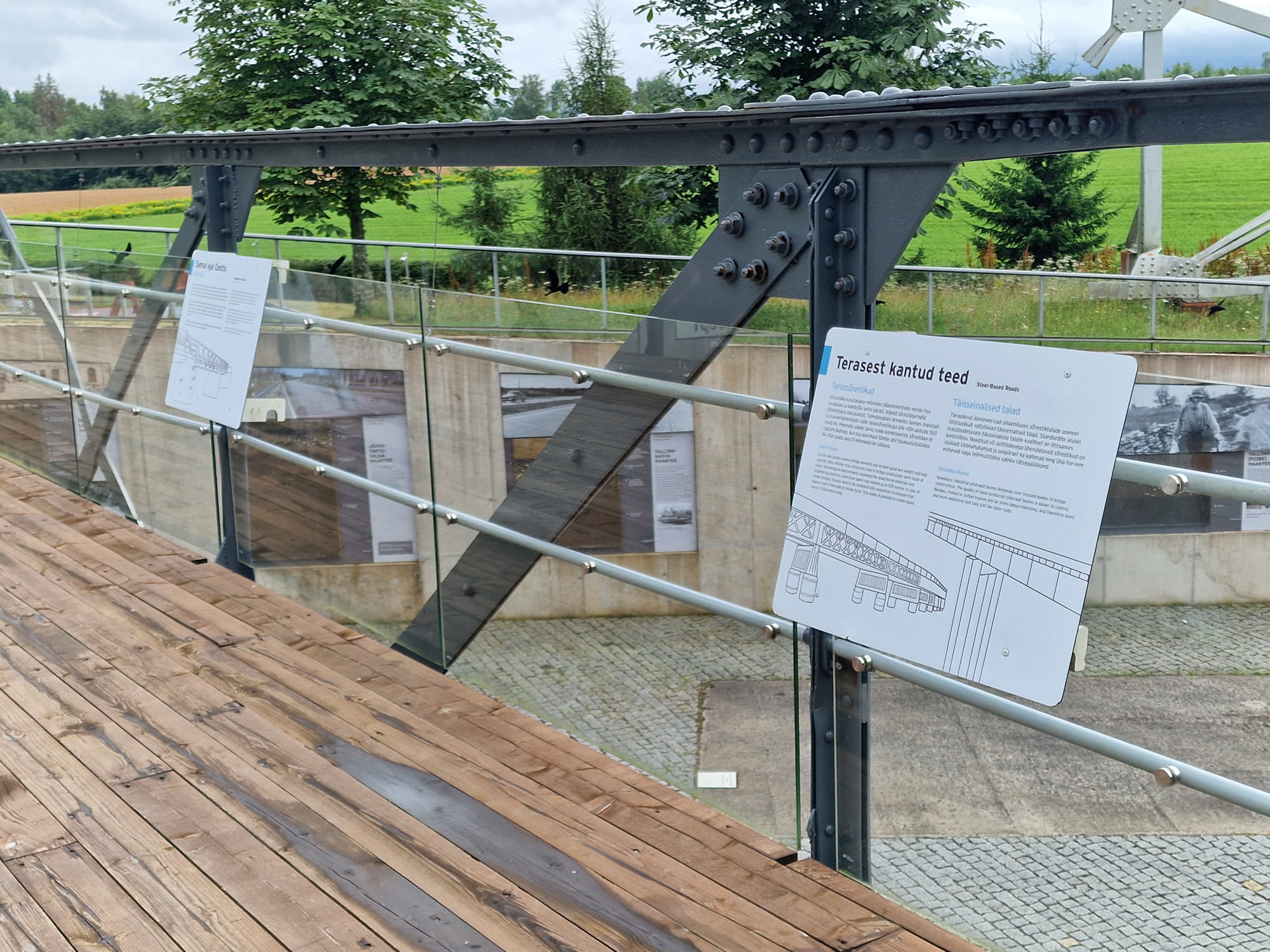
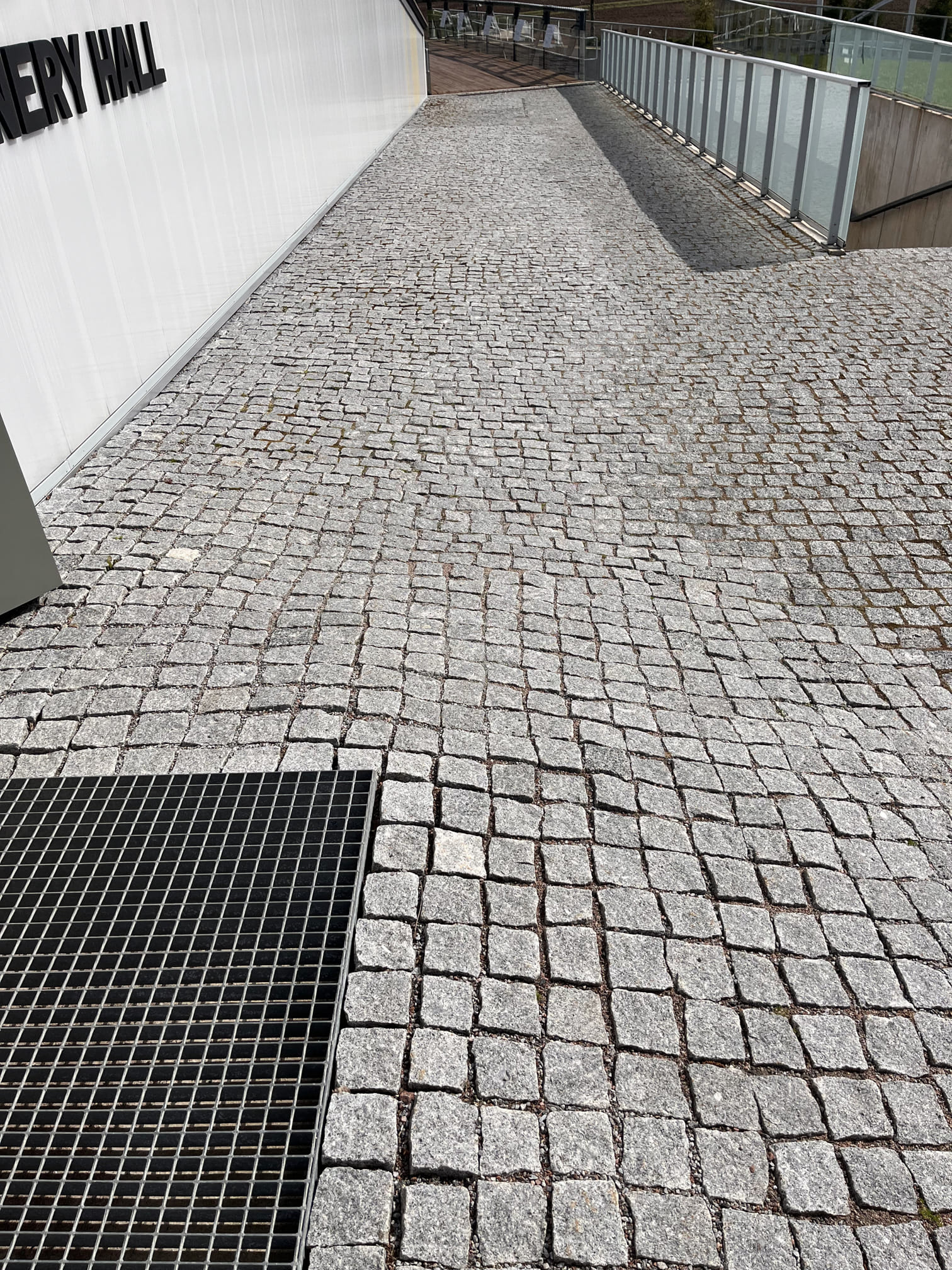
The museum’s exhibits are largely outdoors, in an area surfaced with smooth grey paving stones. The area has various ascents and descents, with benches available. Visiting the exhibits is easy; the information boards provide additional details, including the option to listen to audio information about the machines by scanning QR codes on the panels.
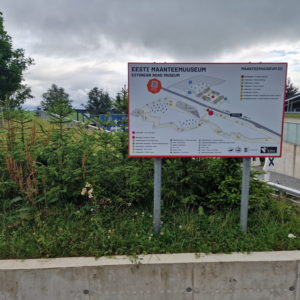
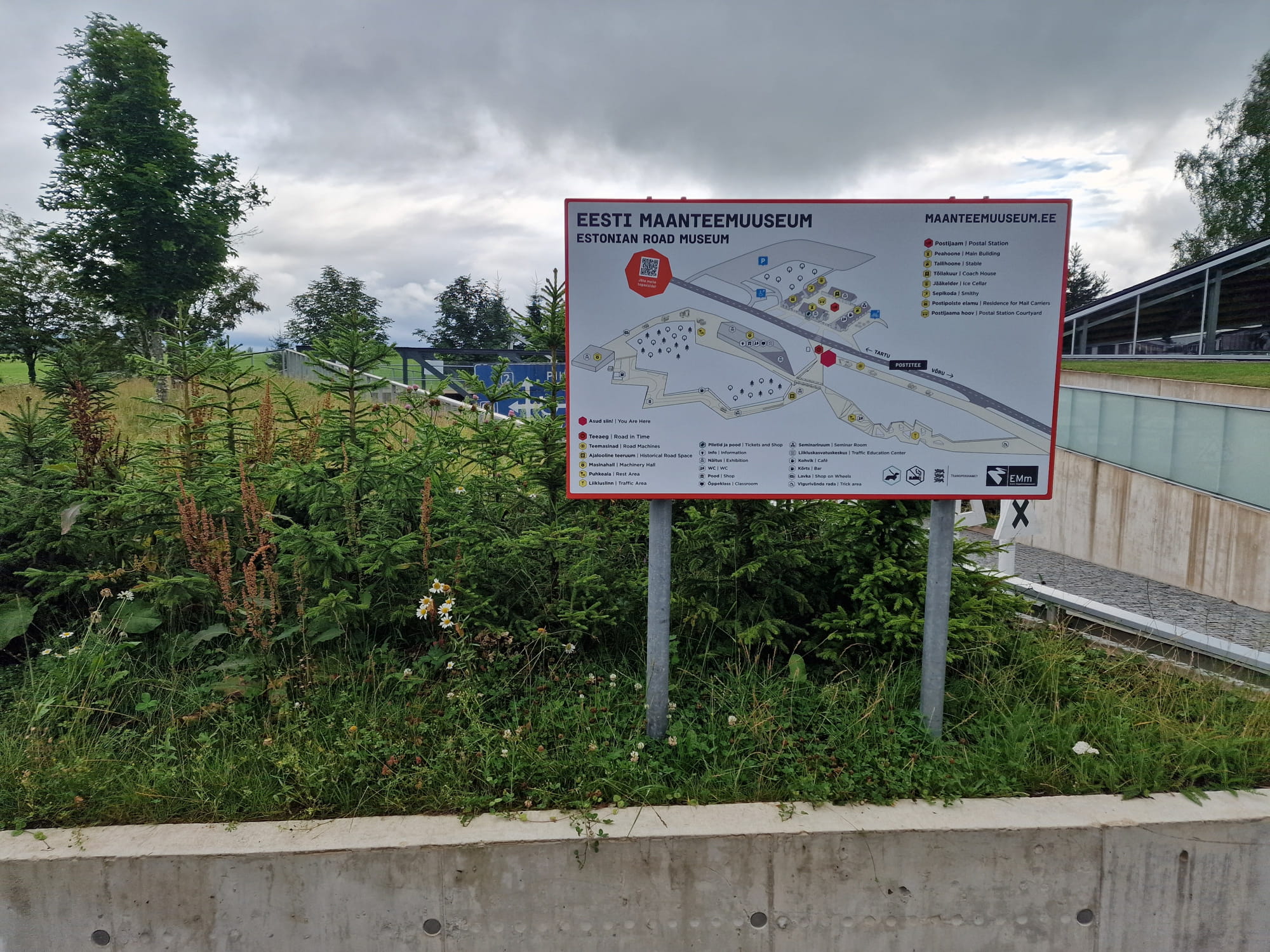
At the entrance to the outdoor area there is a site map, but it is not tactile. There are no guiding paths, tactile signs or indicators, but audible information outside is provided via QR codes that link to a website, where the information is read out loud in Estonian or in English.
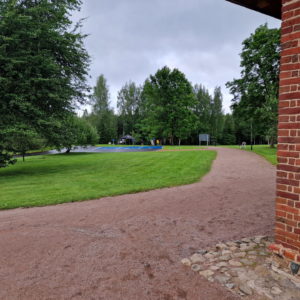
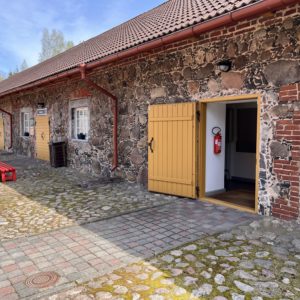
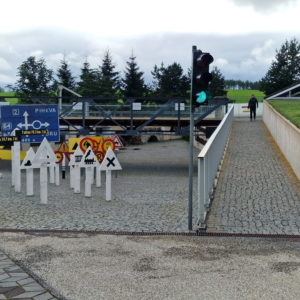
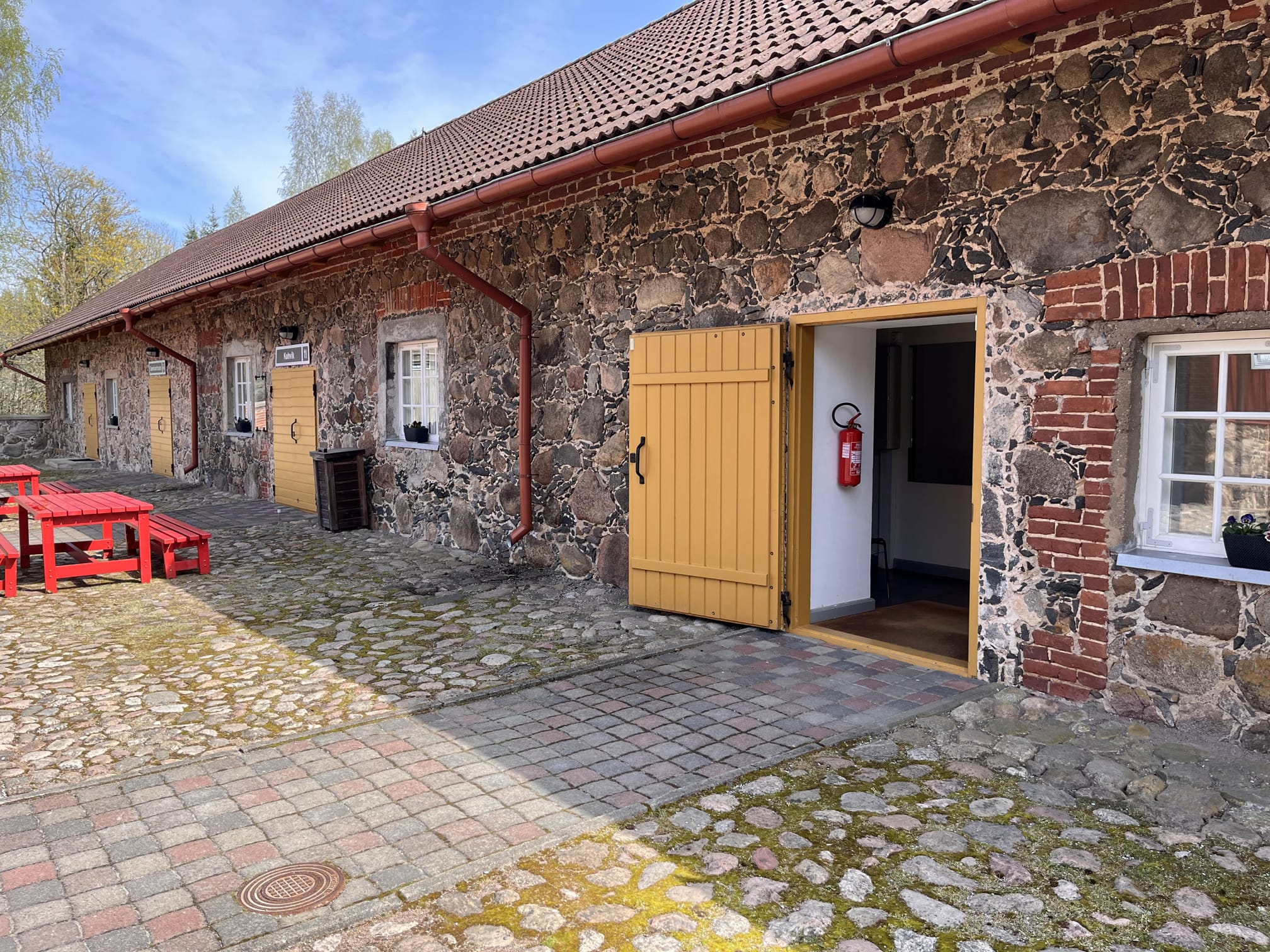
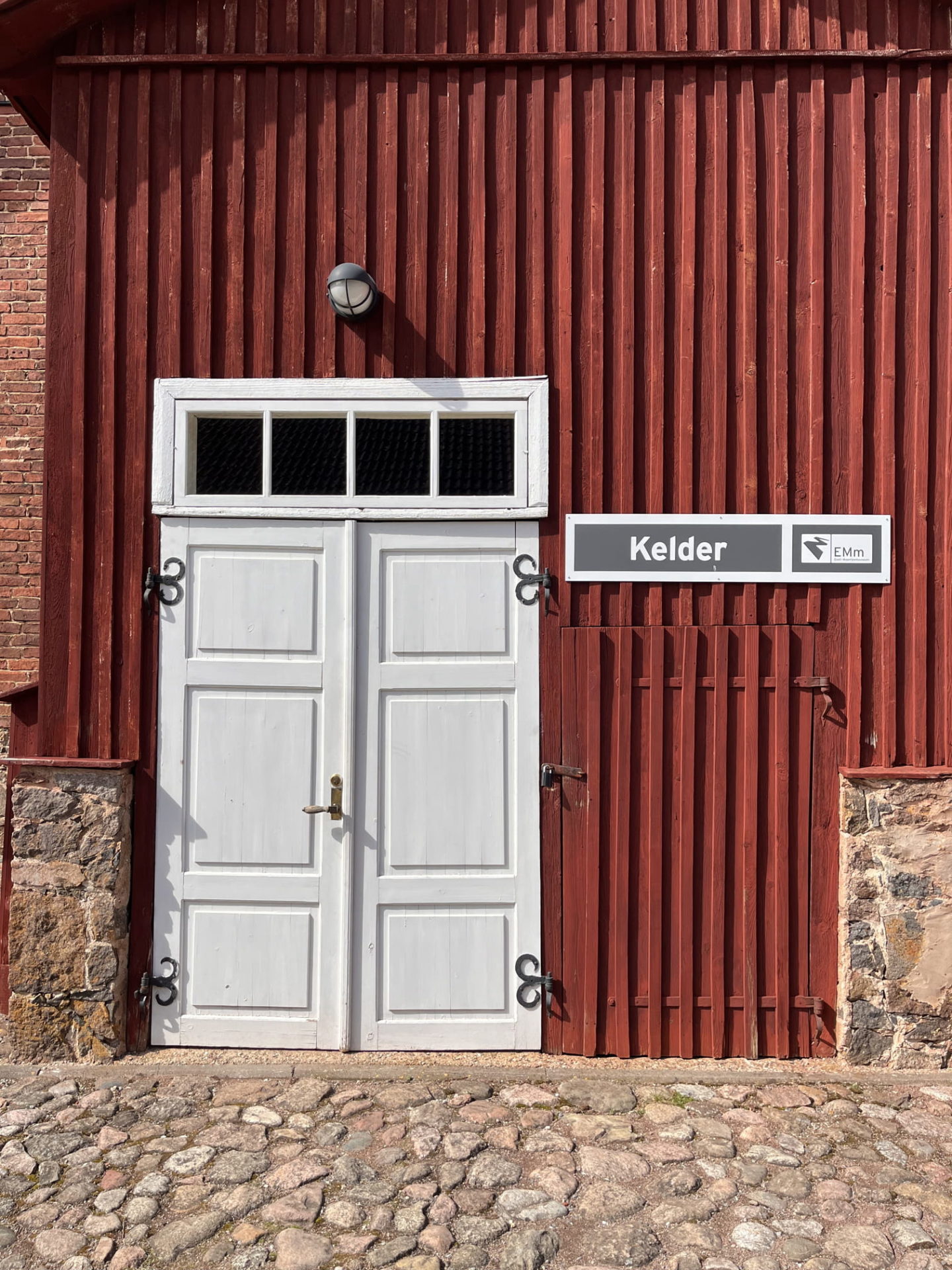
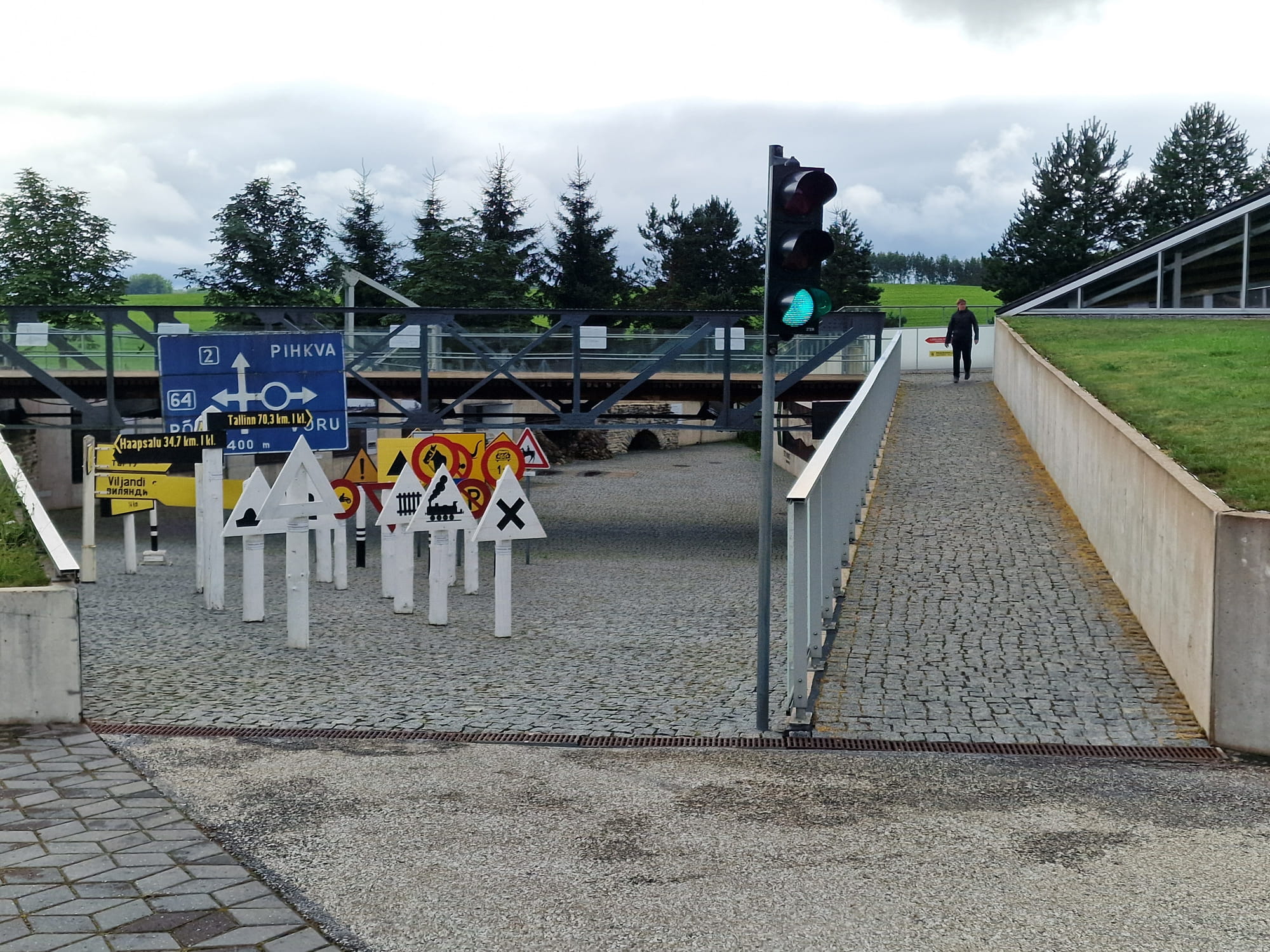
Due to the museum’s specific character, wheelchair movement is difficult in the historical road area and in the inner courtyard of the Teemaja (the old post station) and its immediate surroundings (in places the surface is cobblestone), as road surfaces from different periods are on display.
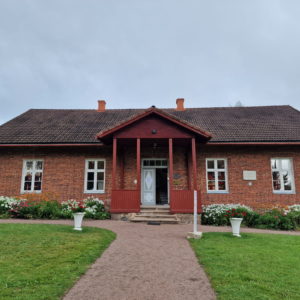
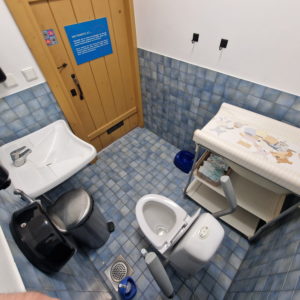
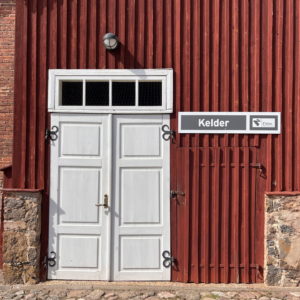
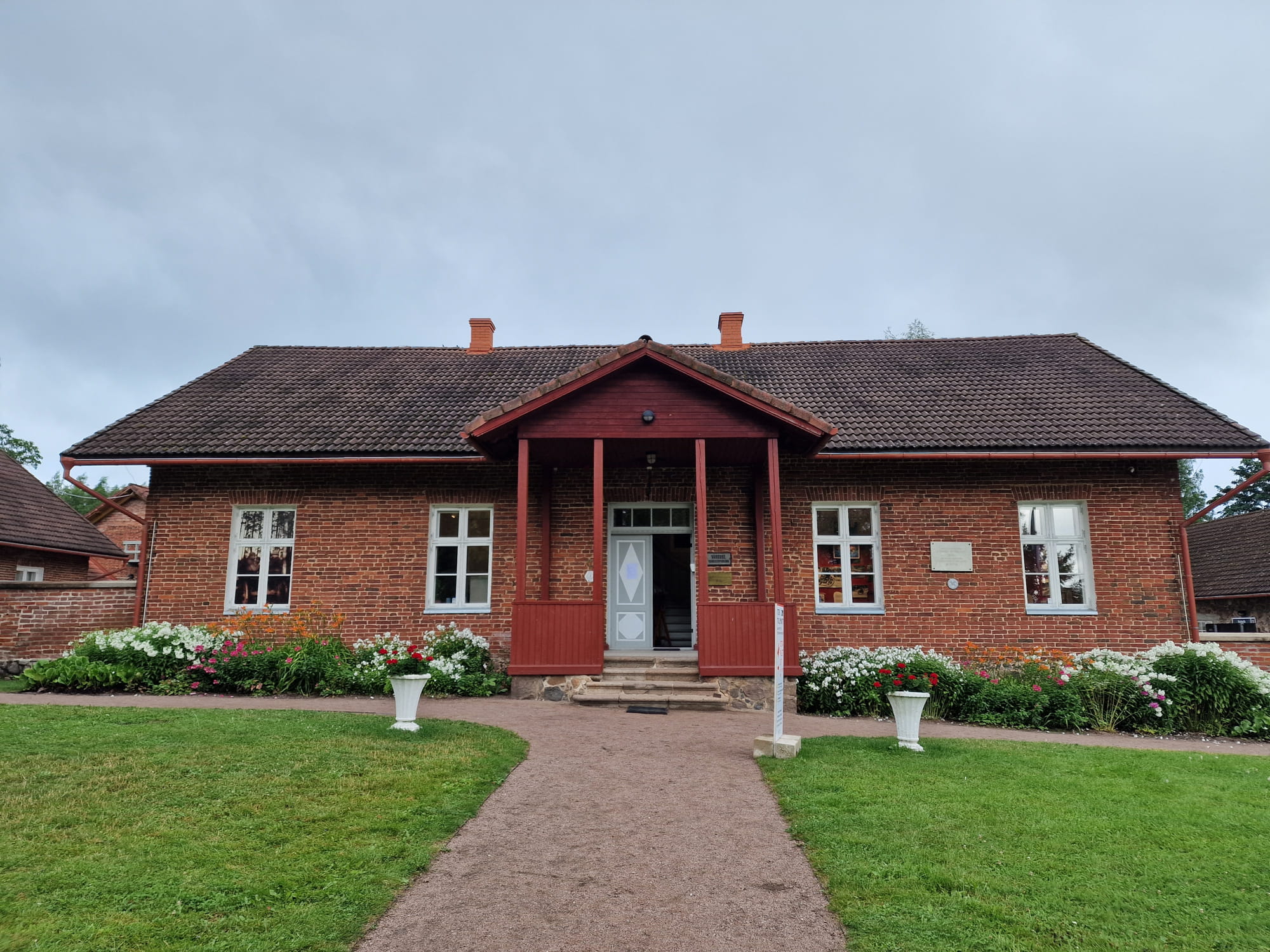
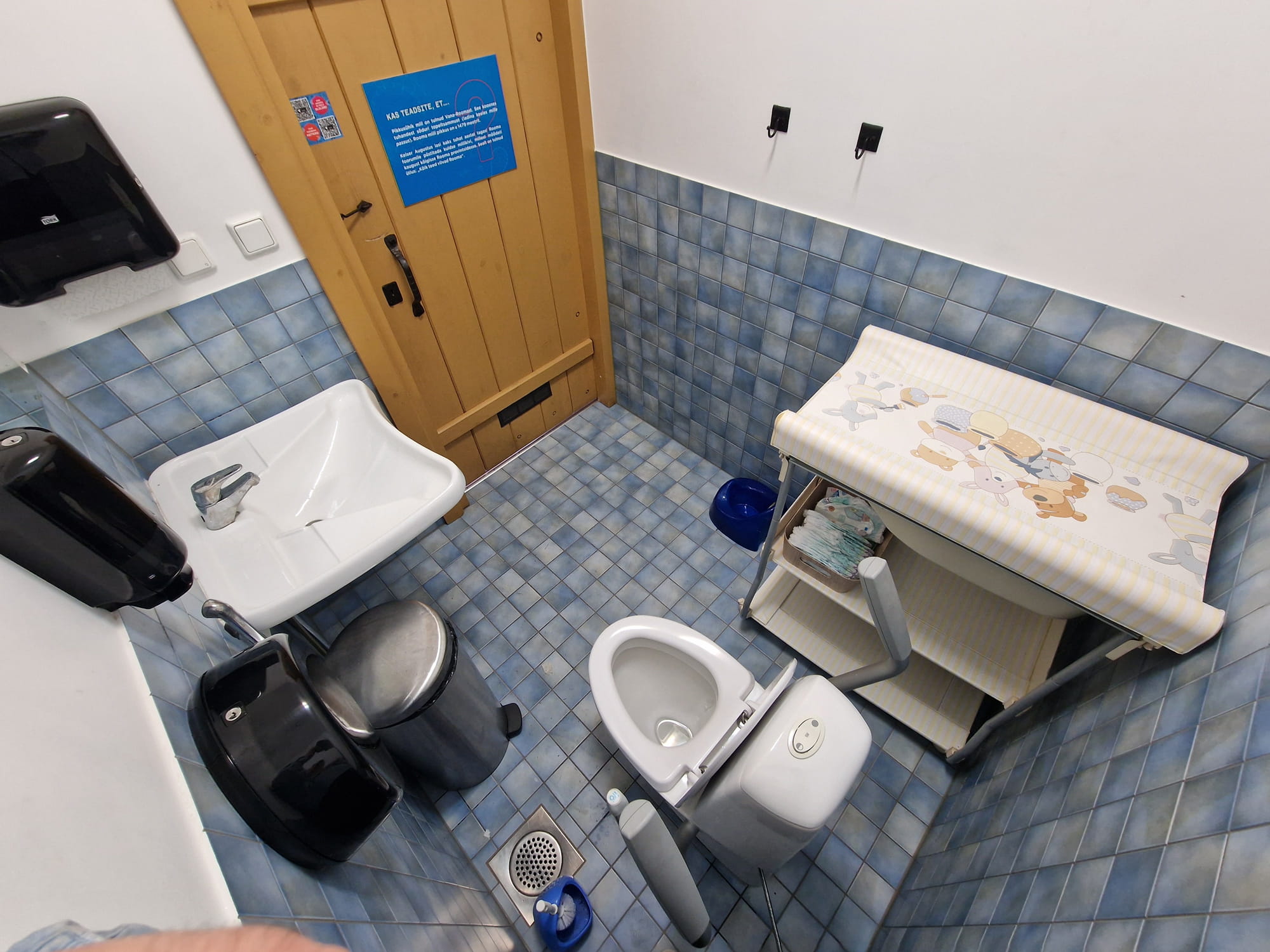
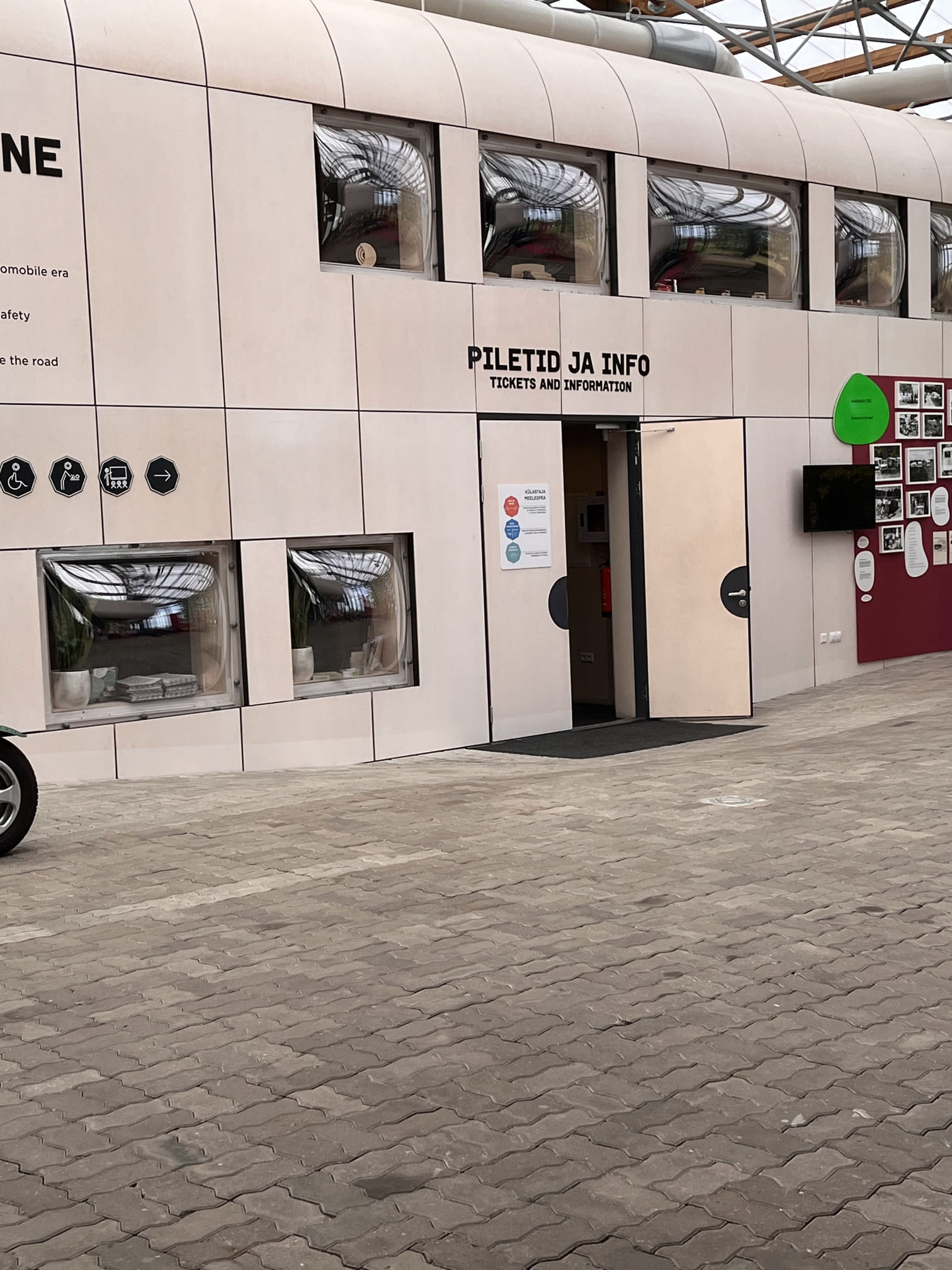
The main building of the old post station (Teemaja) has a four-step staircase and no handrail. The permanent exhibition is located on the first floor of the main building of the old post station. A temporary ramp can be installed to access the building. To arrange this, please call +372 5899 8064. When moving around inside, visitors may encounter raised thresholds. There is a smaller-size toilet with handrails inside. An accessible toilet is also located in the machine hall.
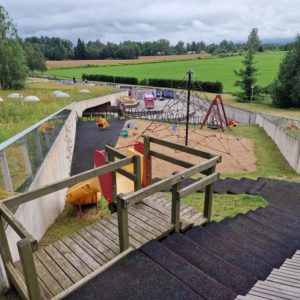
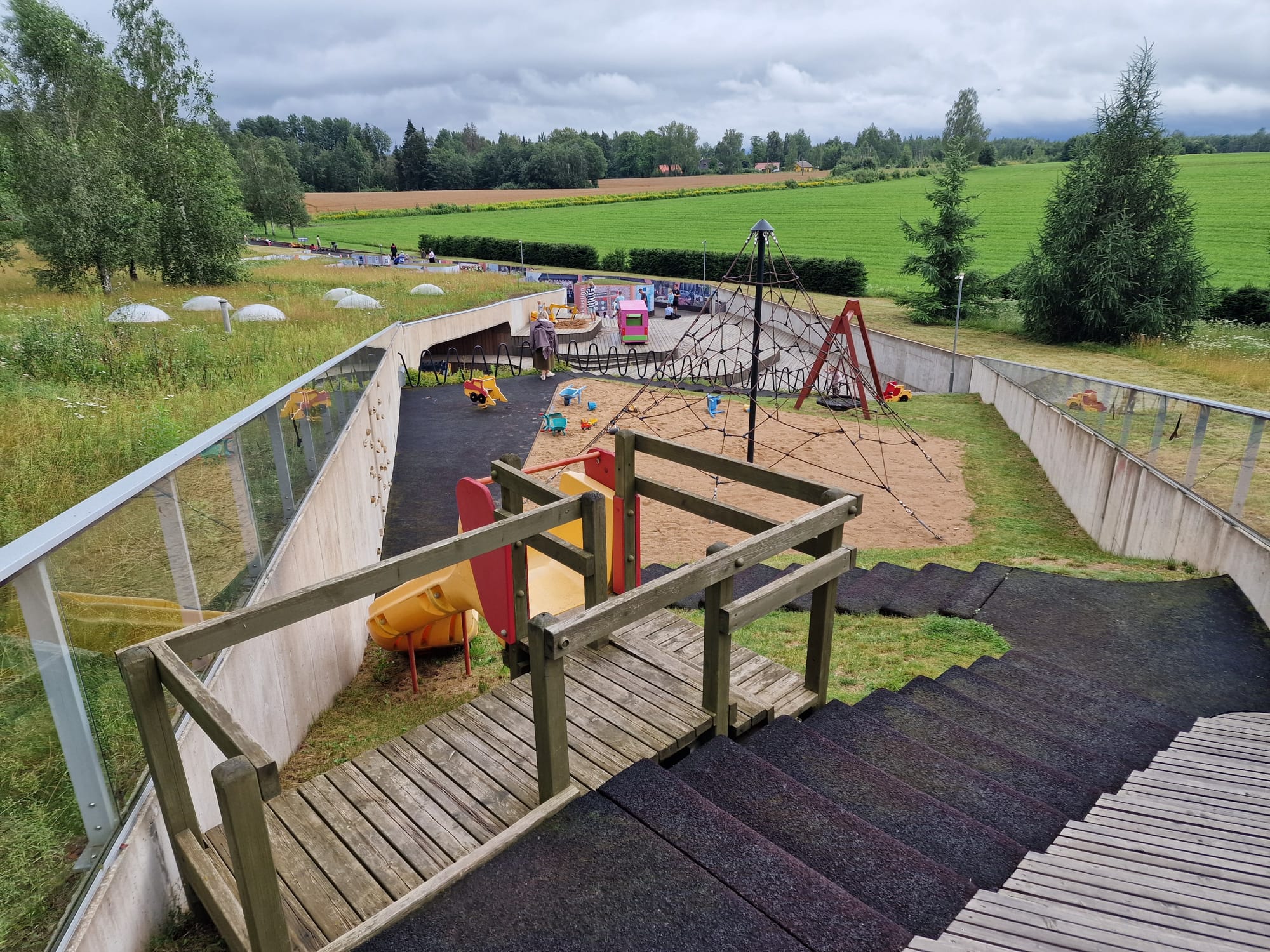
Access to the children’s area, including for people using mobility aids, is possible either from the foot of the slope or from the top via the stairs.
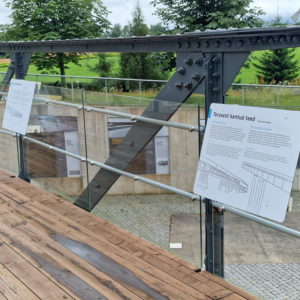
At the start of the Tilleoru trail (which has been closed recently), there is a raised transition and the beginning of the path is covered with decking, but it can be used for access to a limited extent, up to the end of the boardwalk.
Visitors with visual impairments can, if desired, explore the museum with a guide, which can be booked in advance by calling +372 5899 8064.
Accessibility
Facilities
Information
15 Photos
Close

Location:
Varbuse, Kanepi parish, 63122
Website:
Estonian Road Museum
E-mail:
maanteemuuseum@transpordiamet.ee

Phone:
+372 5899 8064

Tickets:
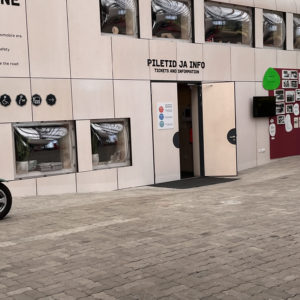
Tickets and infoThe museum’s mission is to collect, preserve, research, and present Estonia’s road heritage as well as the history of road construction and traffic. The Road Museum, located on nearly ten hectares, holds more than 43,000 museum objects, including Eastern Europe’s largest collection of road graders.
Description
Designated parking spaces for people with disabilities are located in a remote general parking area (approx. 100 m away). The route to the museum is asphalt-paved but includes an uphill section, which may mean that an accompanying person is needed.
The museum’s exhibits are largely outdoors, in an area surfaced with smooth grey paving stones. The area has various ascents and descents, with benches available. Visiting the exhibits is easy; the information boards provide additional details, including the option to listen to audio information about the machines by scanning QR codes on the panels.
At the entrance to the outdoor area there is a site map, but it is not tactile. There are no guiding paths, tactile signs or indicators, but audible information outside is provided via QR codes that link to a website, where the information is read out loud in Estonian or in English.
Due to the museum’s specific character, wheelchair movement is difficult in the historical road area and in the inner courtyard of the Teemaja (the old post station) and its immediate surroundings (in places the surface is cobblestone), as road surfaces from different periods are on display.
The main building of the old post station (Teemaja) has a four-step staircase and no handrail. The permanent exhibition is located on the first floor of the main building of the old post station. A temporary ramp can be installed to access the building. To arrange this, please call +372 5899 8064. When moving around inside, visitors may encounter raised thresholds. There is a smaller-size toilet with handrails inside. An accessible toilet is also located in the machine hall.
Access to the children’s area, including for people using mobility aids, is possible either from the foot of the slope or from the top via the stairs.
At the start of the Tilleoru trail (which has been closed recently), there is a raised transition and the beginning of the path is covered with decking, but it can be used for access to a limited extent, up to the end of the boardwalk.
Visitors with visual impairments can, if desired, explore the museum with a guide, which can be booked in advance by calling +372 5899 8064.
Accessibility
Facilities
Information
15 Photos
Close