




Jaani church
Objects of interest, Accessible to parents with baby-strollers, Partly accessible

Object list
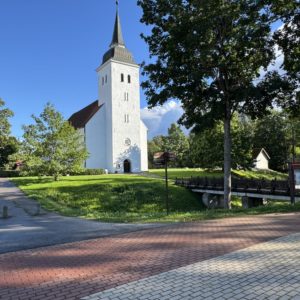
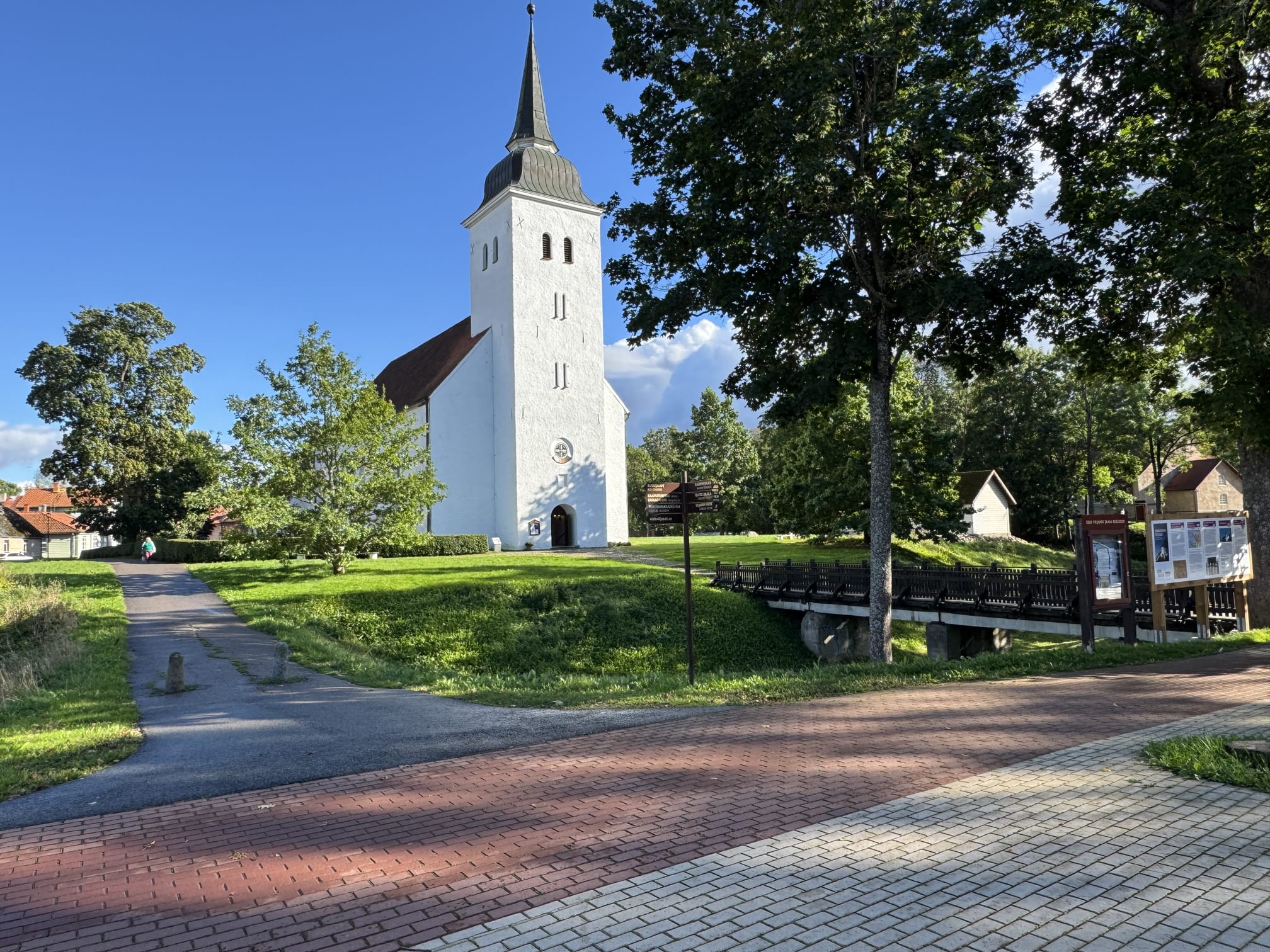
St John’s Church in Viljandi was built as a monastery church of the Franciscan (Observant) order between 1466 and 1472, when a monastery was erected in Viljandi for the reformed branch of the Order of St Francis. At that time, the minister general of the order was Francesco della Rovere, later Pope Sixtus IV (1471–1484), during whose pontificate the construction and furnishing of the monastery buildings were completed. Della Rovere was a highly educated theologian and jurist who worked on regulating relations between church and state and supported the development of art and architecture; the Sistine Chapel in the Vatican is named after him.
Description
There are two free desiganted parking spots about 100 m from the church.
Please note that the area has not been specially adapted for accessibility, because there are no tactile guides, paved surfaces, or other assistive features for persons with disabilities.
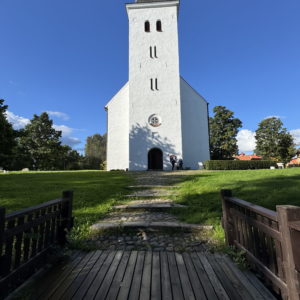
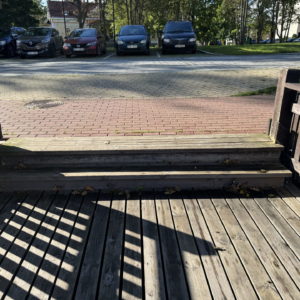
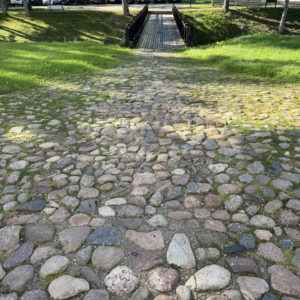
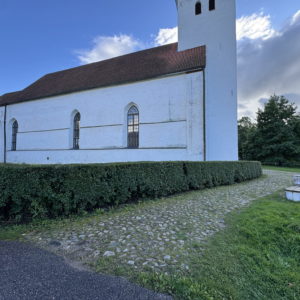
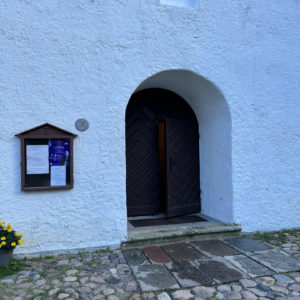
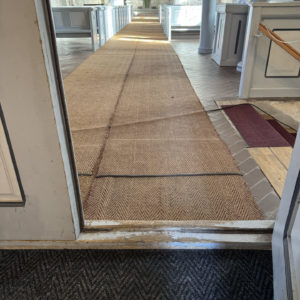
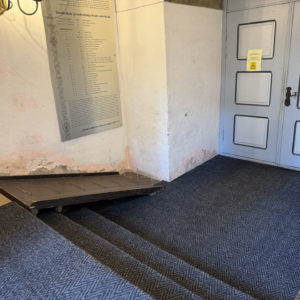
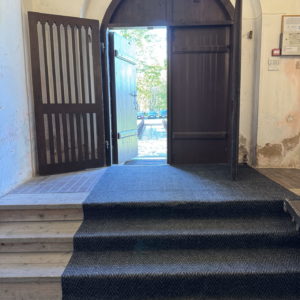
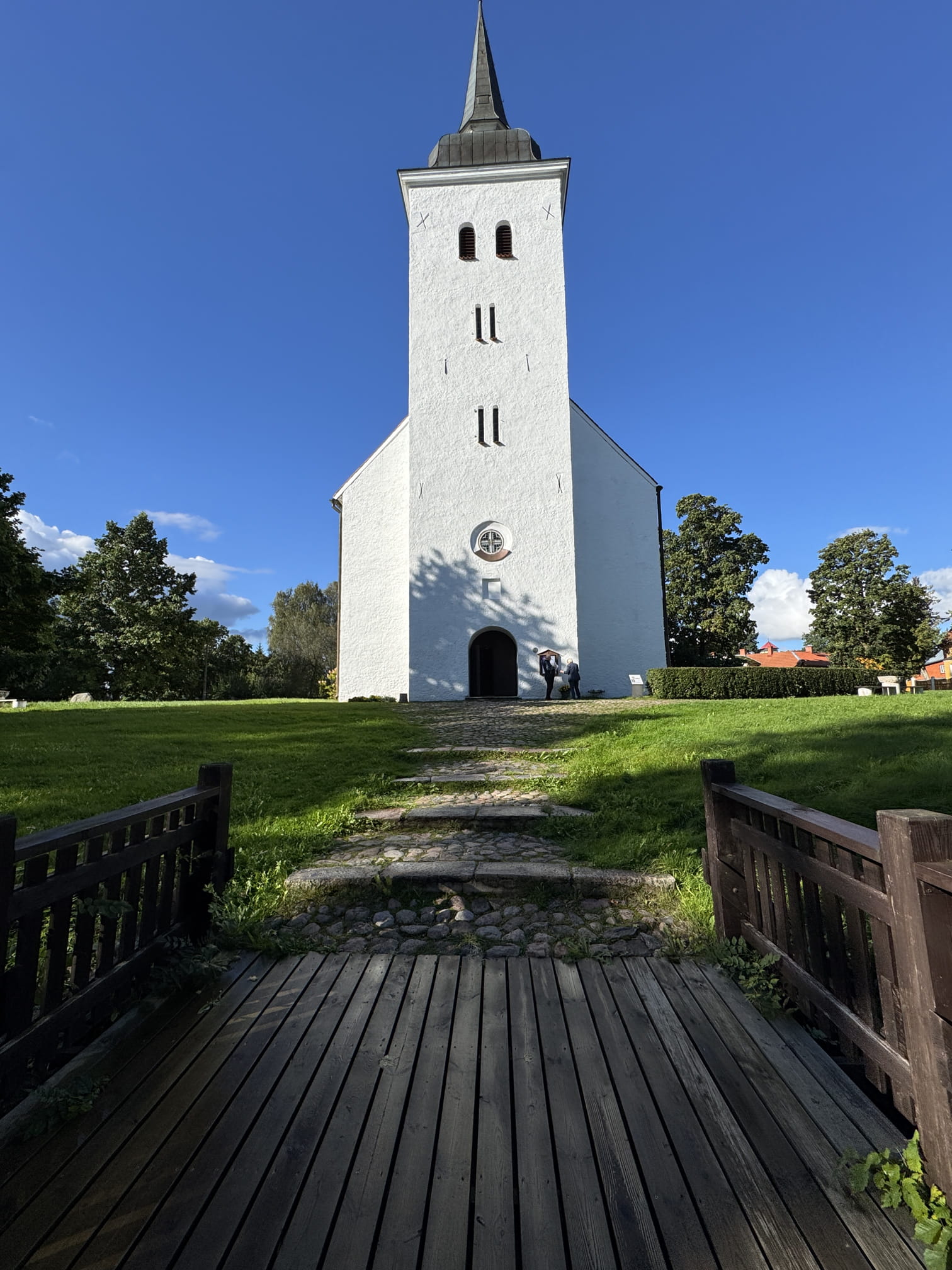
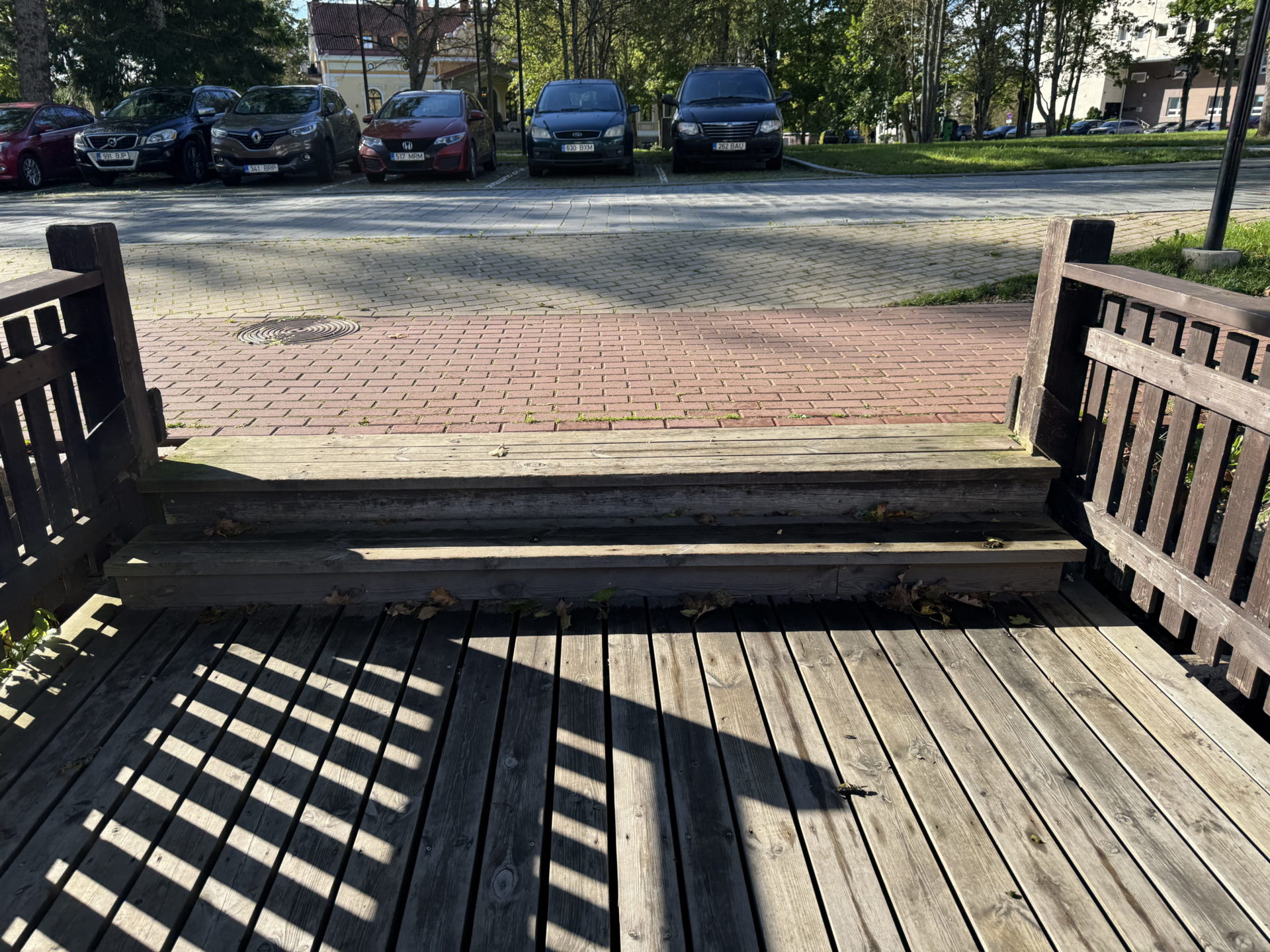
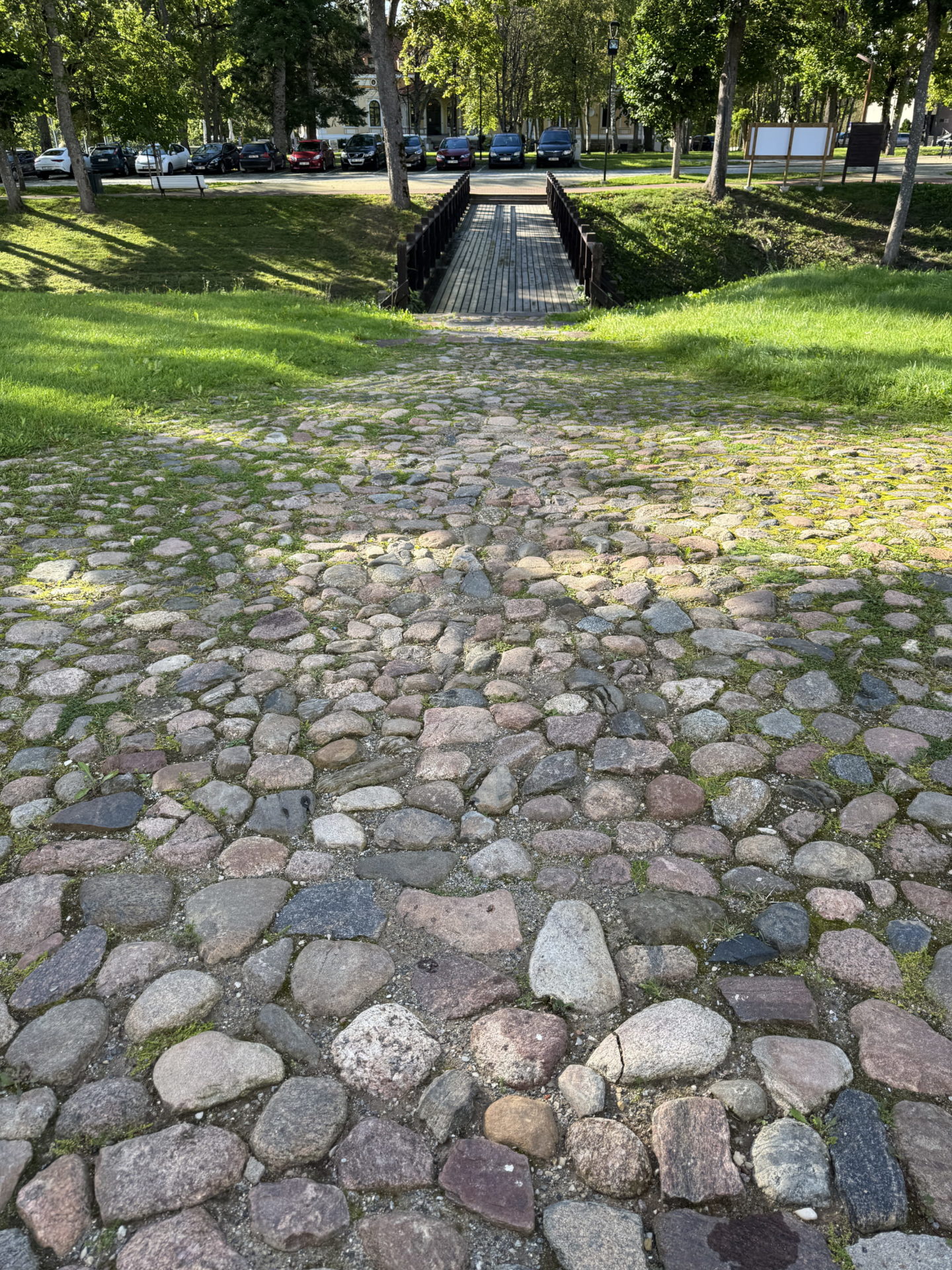
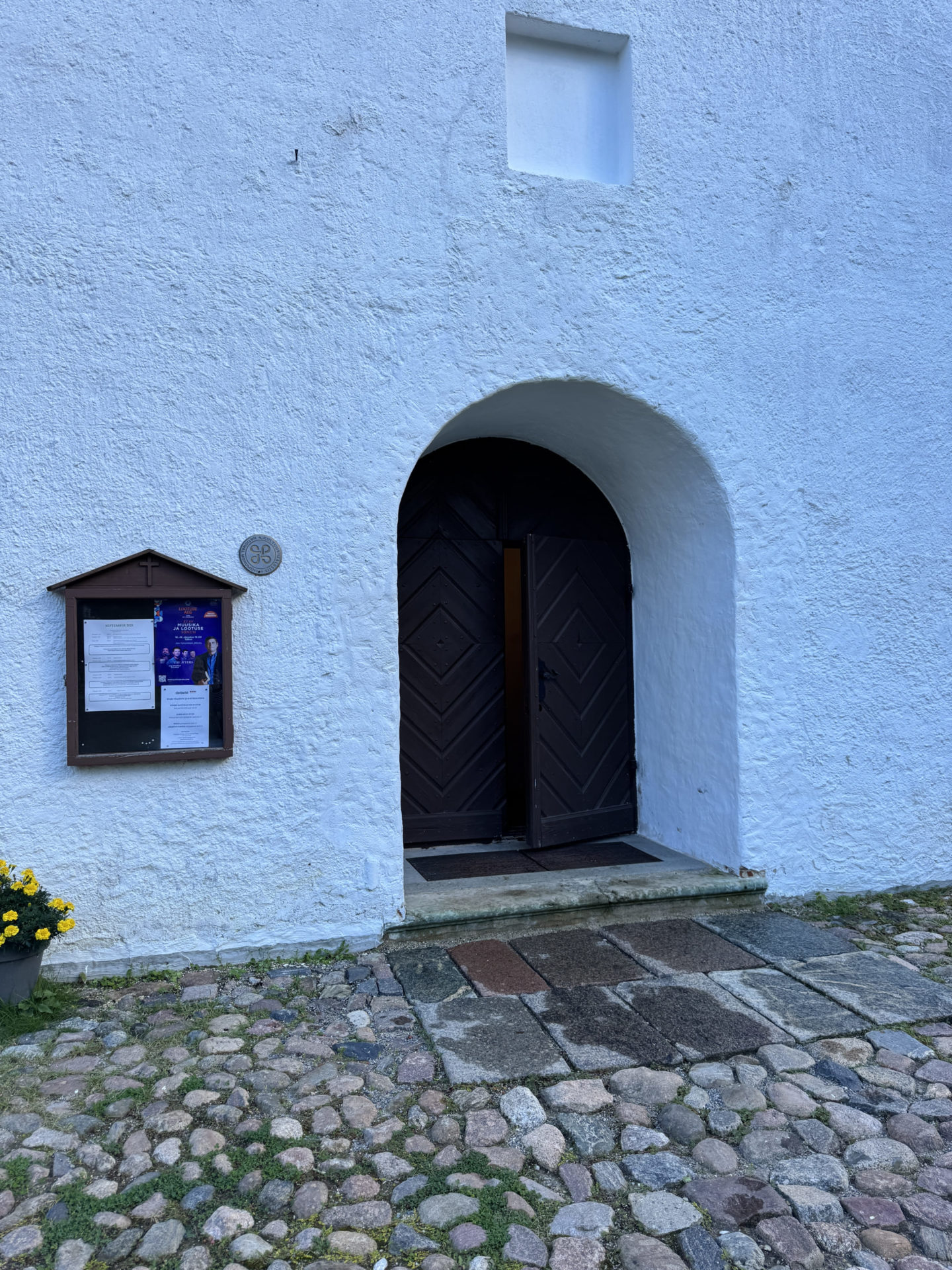
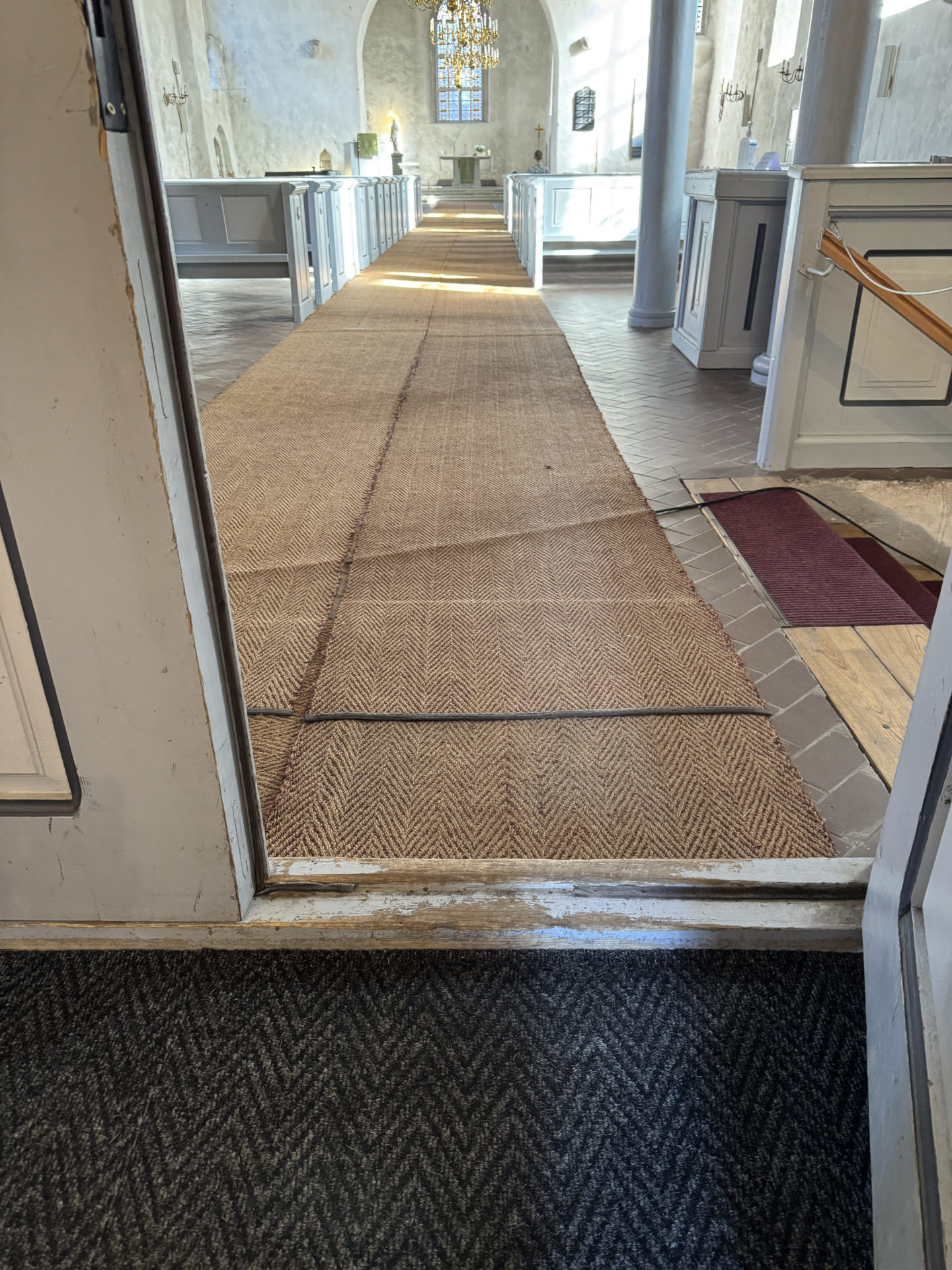
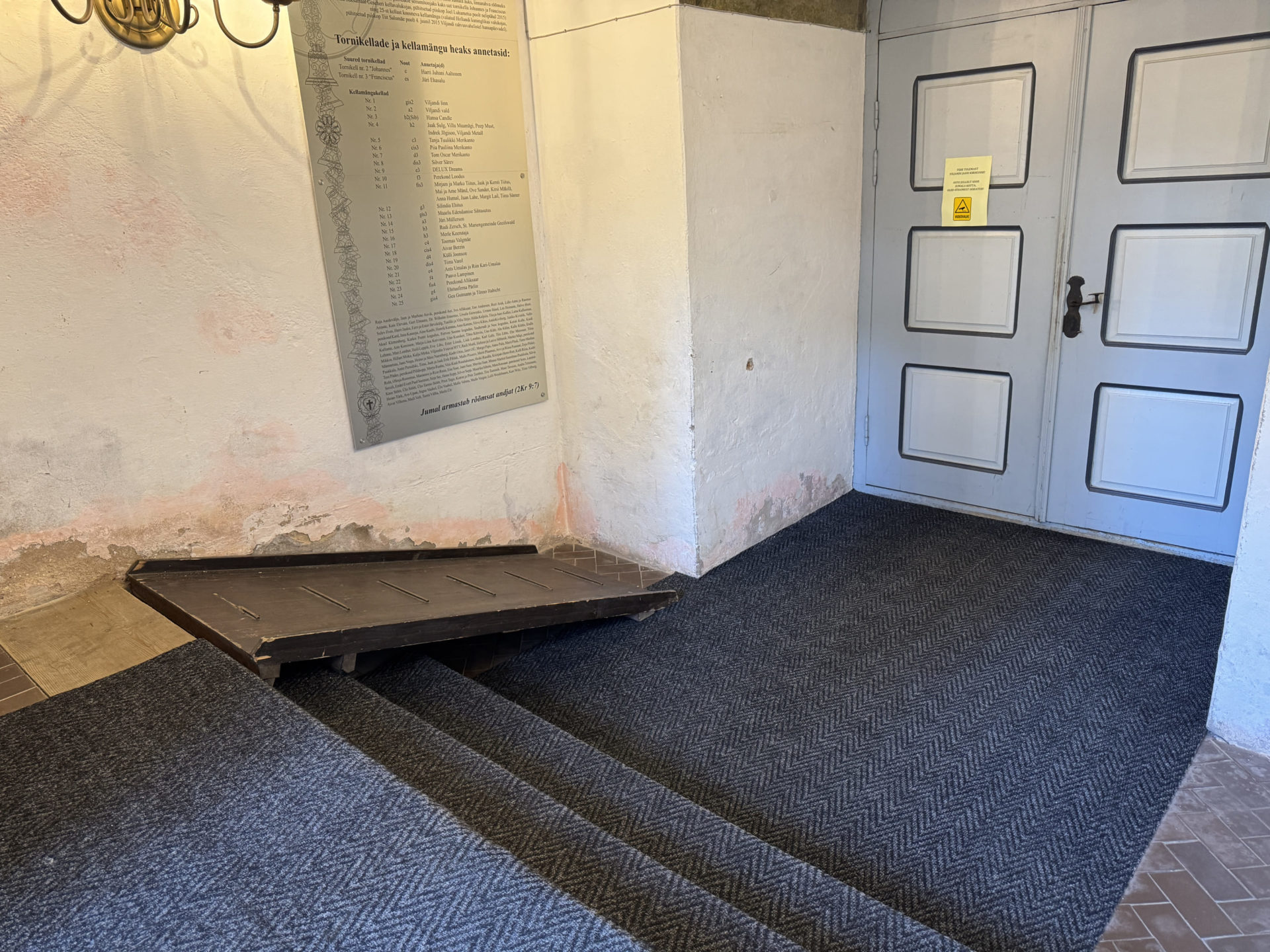
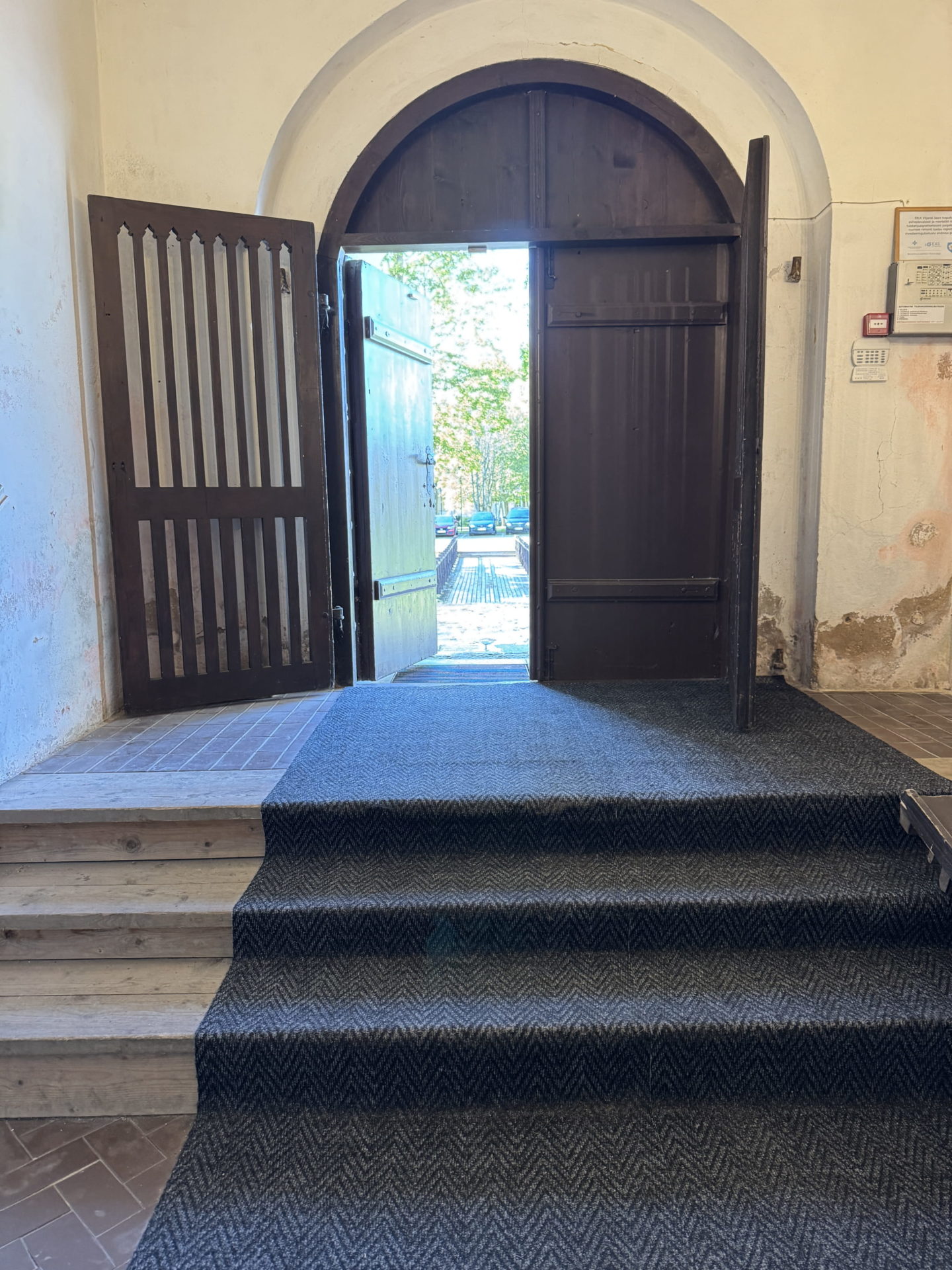
The path to the church leads through a bridge, that has steps and is covered wholly in cobblestone. Entrance to the church is with steps and there are more steps in side the church. However, inside there is a wooden board for use which may pose minor hazard, but might suit some visitors.
Accessibility
Facilities
9 Photos
Close
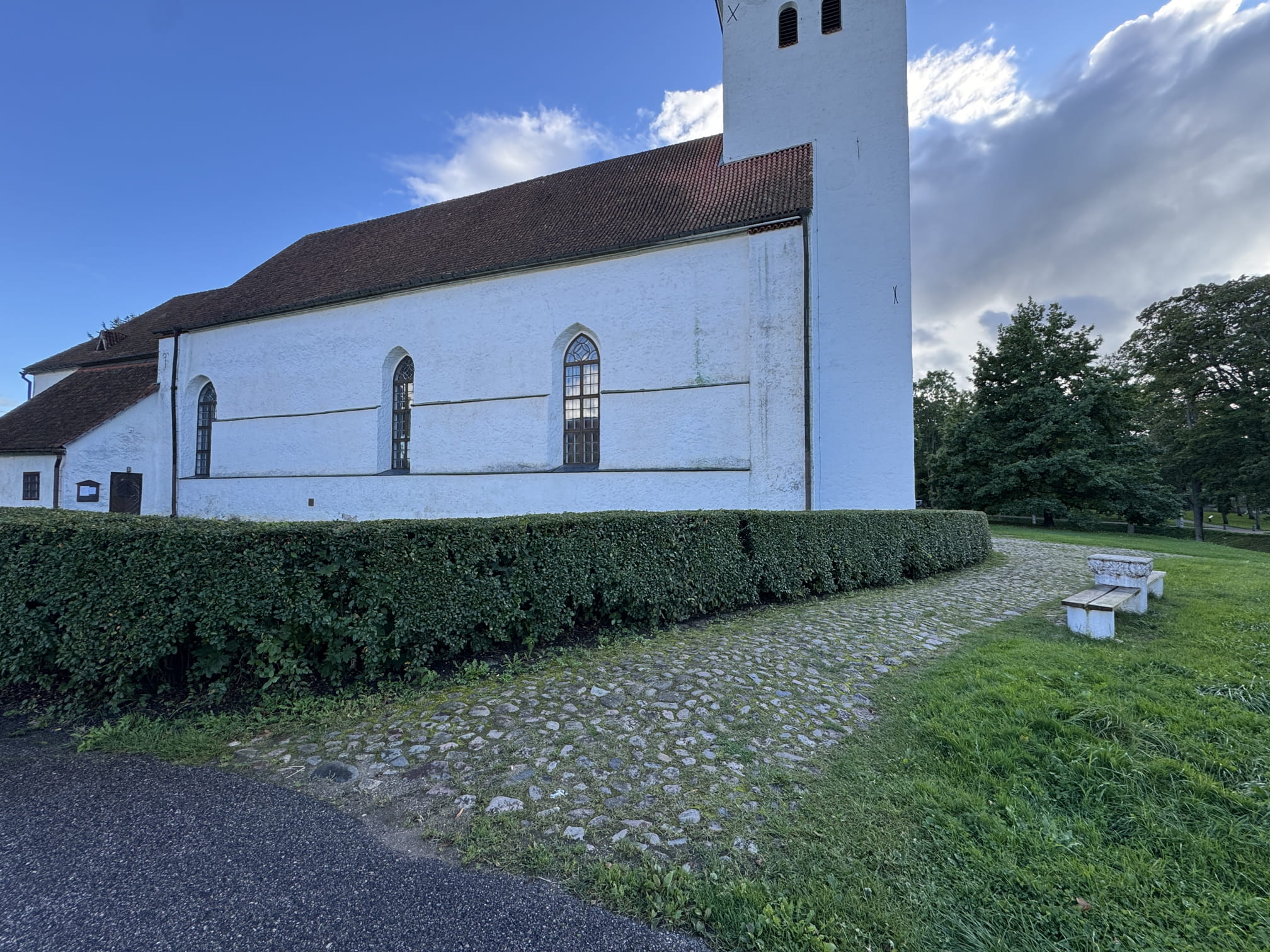


St John’s Church in Viljandi was built as a monastery church of the Franciscan (Observant) order between 1466 and 1472, when a monastery was erected in Viljandi for the reformed branch of the Order of St Francis. At that time, the minister general of the order was Francesco della Rovere, later Pope Sixtus IV (1471–1484), during whose pontificate the construction and furnishing of the monastery buildings were completed. Della Rovere was a highly educated theologian and jurist who worked on regulating relations between church and state and supported the development of art and architecture; the Sistine Chapel in the Vatican is named after him.
Description
There are two free desiganted parking spots about 100 m from the church.
Please note that the area has not been specially adapted for accessibility, because there are no tactile guides, paved surfaces, or other assistive features for persons with disabilities.
The path to the church leads through a bridge, that has steps and is covered wholly in cobblestone. Entrance to the church is with steps and there are more steps in side the church. However, inside there is a wooden board for use which may pose minor hazard, but might suit some visitors.
Accessibility
Facilities
9 Photos
Close